Live and Contemplated: Jimmy Eat World-Clarity 10x10 Tour
3/04/2009 10:17:00 AM
•
by Dustin
•
0
comments

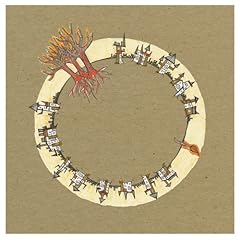
I remember flying back from Chicago in 1999 to Oklahoma City, listening to Jimmy Eat World's record Clarity, and being utterly caught by its beauty and innovation. Reading the lyric from "For Me This Is Heaven" emblazoned on the disc (we still used discs to listen to music, and portable disc players kids), and being a bit befuddled by it, but coming to understand it later on: "Can you still feel the butterflies?" Oddly, the total runtime of the record was listed next to it, and that was it.
So when JEW announced the 10x10 tour, to celebrate the 10 years (!) since the record was released (and subsequently, foolishly ignored) by Capitol Records, I bought the nearest ticket as soon as it became available. There was no negotiation about it. I was attending.
Clarity is, for many people in their twenties and thirties, a zenith in the period's indie rock, or as it was less PC-called then, emocore. This is a time when Fall Out Boy would have been mocked, and not referred to as "emo," somewhere along the way the plot was lost. Yet when Clarity came out, it was an innovator in the mix of music streaming from the roots of Fugazi, Rites Of Spring, Christie Front Drive, Cap N' Jazz, Sunny Day Real Estate, Jawbox, and the like, a diverse group of music ranging from catchy to angular, all roughly related by the scene they were in, and by most being a movement in "post-punk," where punk aesthetic was stretched into melody and dynamics, both often understated in punk rock at the time.
The record pushed at the boundaries mostly in its epic scale (some longer songs), and in the use of electronic and orchestral layers, something definitely not done at the time in any coherent sense. Rocket From The Crypt had some horns, but this was another monster entirely. Radiohead was pushing these boundaries in a little more mainstream scene, but the use of samplers was pretty anathema among indie rock at the time. Clarity changed this for good. Like wise, "A Sunday" used the now ridiculous Auto-Tune for a BGV, way before Cher ever did, in a tasteful, vocoder way, more Daft Punk than T-Pain.
Yet the album's emotional depth and quality of composition is what lodged it in the hearts of so many young people of the turn of the century. It is the soundtrack to the times, deeply personal and reflective on social themes, leaning towards mysterious lyrics that helped to keep it from being solely based on relationship woes or railing against the consumer culture. "Lead my skeptic sight" was coupled with "Turn off your radio!" For me personally, no record is as complete since this one, in theme, imagery, soulfulness, earnestness, and musical experimenting with pop craftsmanship.
So the live show.
The Ogden Theater in Denver was a great venue of a couple of thousand people, a wraparound balcony (where I stood), and decent sound. The band came out after the excellent Reuben's Accomplice, and played right down the album, just as advertised.
The mellow start to Clarity, "Table For Glasses," was fitting to slow burn the utter thrill for so many of hearing this album in this way. The final arching chorus was sung along with by everyone, including me, and I never do that crap.
The next few songs blistered by, "Lucky Denver Mint" obviously landing well, and inspiring some good movement among the older folks there, right on through "Your New Aesthetic," the dissonant rant against corporate radio, "Believe In What You Want," the dancey anthem that always sounds good live, to "A Sunday," which inspired the most singing thus far into the night, even in its mid-tempo romp, a sobering and fairly mature tale of rudely waking up to Saturday's excess.
Then came "Crush," the song most like Jimmy Eat World's talent for catchy punk that permeated Static Prevails and the 7" work, and would go on to be refined for the years of success following the rise of "The Middle." "Crush" has a great energy boost in the middle of the record, and was so for the evening as well.
"12.23.95" was an odd enough interlude in the record, though it is so simple and lovely that many folks have had it as a favorite, and it was the case that evening, as it effectively chilled things before leading into one of the best songs of the record.
"Just Watch The Fireworks" began with Jim Adkins grabbing a bow and looping a quick Sigur Ros moment of bowed Telecaster, and then launching into the epic song. This tune is one of the best examples of the face-front emotional earnestness that the record is loved for, though in today's indie rock, the lack of ironic detachment would gain criticism. The song effectively simmers at a medium pace until the long outro, growing to a whisper and electric guitar, then launching into the soaring jam underneath the high notes Jim effectively and tightly sang: "I'll stay up as late as it takes."
Then came what most folks consider the finest song on the record, and what is probably my favorite song that anyone has written: "For Me This Is Heaven," a fairly delicate tune built around the aforementioned line: "can you still feel the butterflies/can you still hear the last goodnight?"
This song shows the band at their subtle best, with the bass/drum groove defining the last chorus of the song from the rest of the song simply by opening up their notes to longer ones, from the bouncy groove of the rest of the song. The well-layered vocals, and the simple arrangement give an immense emotional weight to the end of the bridge into the last chorus-the high point of the entire album, cleverly wedged into the end of the middle, so time is left to come down from the experience without leaving it.
The whole night the band seemed happy to be there, and simply enjoying the time, rather than being uber-hyped or mellow, and before "For Me This Is Heaven" Jim announced this was one of his "favorite songs to play for you guys," and no one there could deny its special craft.
From there, the two rock songs following, "Blister" and "Clarity" were highly charged by the crowd and the band, clearly caught up in both release from the previous tune and expectation of the final piece. "Blister" showed the band still able to play rock music, and I mean Rock Music, aggressive, intelligent, and full of great hooks and energy.
So the night came to the end with the much-anticipated "Goodbye Sky Harbor," a melancholy and 17 minute long rumination on both personal thoughts and A Prayer For Owen Meany.
"Goodbye Sky Harbor" featured many things out of the normal for this scene of music, including a very patient and looping coda, growing incrementally with Jim's vocals, little notes here and there of "nah nah nah," and "do do do." Live, he did all of this with a loop station on the ground, ditching the acoustic guitar and dancing around half-nervously, half-caught up in the music, looping bit by bit as the section grew and grew under the band's patient playing. Tom turned to play organ and bell samples, putting away his looped guitar, and Zach played the repetitive drum section on a small snare, mimicking the sounds of the actual record.
As a piece of rock music, it was hard to surpass, utterly lovely and sublime, all in the humble setting of a rock band, as the band cut out for the vocal layers to linger before launching into an amazingly moving recreation of the House-y disintegration of the song that occurs on the record. They played it all, with Zach's fiery Drum & Bass fills, Jim dancing all about the stage, playing the descending Glockenspiel line and singing "I am but one small instrument" over the climaxing jam.
As you can hopefully tell, this was a once-in-a-lifetime event for fans of this record and this band, regardless of how one feels about the music that followed Clarity. The ability of a now middle aged band to bring this much maturity and energy to a ten year old record was inspiring and completely a gift to all who came. I urge you to listen to this album if you have yet to, and if you have, listen again, in its entire length, savoring the astounding piece of music that it is.
So when JEW announced the 10x10 tour, to celebrate the 10 years (!) since the record was released (and subsequently, foolishly ignored) by Capitol Records, I bought the nearest ticket as soon as it became available. There was no negotiation about it. I was attending.
Clarity is, for many people in their twenties and thirties, a zenith in the period's indie rock, or as it was less PC-called then, emocore. This is a time when Fall Out Boy would have been mocked, and not referred to as "emo," somewhere along the way the plot was lost. Yet when Clarity came out, it was an innovator in the mix of music streaming from the roots of Fugazi, Rites Of Spring, Christie Front Drive, Cap N' Jazz, Sunny Day Real Estate, Jawbox, and the like, a diverse group of music ranging from catchy to angular, all roughly related by the scene they were in, and by most being a movement in "post-punk," where punk aesthetic was stretched into melody and dynamics, both often understated in punk rock at the time.
The record pushed at the boundaries mostly in its epic scale (some longer songs), and in the use of electronic and orchestral layers, something definitely not done at the time in any coherent sense. Rocket From The Crypt had some horns, but this was another monster entirely. Radiohead was pushing these boundaries in a little more mainstream scene, but the use of samplers was pretty anathema among indie rock at the time. Clarity changed this for good. Like wise, "A Sunday" used the now ridiculous Auto-Tune for a BGV, way before Cher ever did, in a tasteful, vocoder way, more Daft Punk than T-Pain.
Yet the album's emotional depth and quality of composition is what lodged it in the hearts of so many young people of the turn of the century. It is the soundtrack to the times, deeply personal and reflective on social themes, leaning towards mysterious lyrics that helped to keep it from being solely based on relationship woes or railing against the consumer culture. "Lead my skeptic sight" was coupled with "Turn off your radio!" For me personally, no record is as complete since this one, in theme, imagery, soulfulness, earnestness, and musical experimenting with pop craftsmanship.
So the live show.
The Ogden Theater in Denver was a great venue of a couple of thousand people, a wraparound balcony (where I stood), and decent sound. The band came out after the excellent Reuben's Accomplice, and played right down the album, just as advertised.
The mellow start to Clarity, "Table For Glasses," was fitting to slow burn the utter thrill for so many of hearing this album in this way. The final arching chorus was sung along with by everyone, including me, and I never do that crap.
The next few songs blistered by, "Lucky Denver Mint" obviously landing well, and inspiring some good movement among the older folks there, right on through "Your New Aesthetic," the dissonant rant against corporate radio, "Believe In What You Want," the dancey anthem that always sounds good live, to "A Sunday," which inspired the most singing thus far into the night, even in its mid-tempo romp, a sobering and fairly mature tale of rudely waking up to Saturday's excess.
Then came "Crush," the song most like Jimmy Eat World's talent for catchy punk that permeated Static Prevails and the 7" work, and would go on to be refined for the years of success following the rise of "The Middle." "Crush" has a great energy boost in the middle of the record, and was so for the evening as well.
"12.23.95" was an odd enough interlude in the record, though it is so simple and lovely that many folks have had it as a favorite, and it was the case that evening, as it effectively chilled things before leading into one of the best songs of the record.
"Just Watch The Fireworks" began with Jim Adkins grabbing a bow and looping a quick Sigur Ros moment of bowed Telecaster, and then launching into the epic song. This tune is one of the best examples of the face-front emotional earnestness that the record is loved for, though in today's indie rock, the lack of ironic detachment would gain criticism. The song effectively simmers at a medium pace until the long outro, growing to a whisper and electric guitar, then launching into the soaring jam underneath the high notes Jim effectively and tightly sang: "I'll stay up as late as it takes."
Then came what most folks consider the finest song on the record, and what is probably my favorite song that anyone has written: "For Me This Is Heaven," a fairly delicate tune built around the aforementioned line: "can you still feel the butterflies/can you still hear the last goodnight?"
This song shows the band at their subtle best, with the bass/drum groove defining the last chorus of the song from the rest of the song simply by opening up their notes to longer ones, from the bouncy groove of the rest of the song. The well-layered vocals, and the simple arrangement give an immense emotional weight to the end of the bridge into the last chorus-the high point of the entire album, cleverly wedged into the end of the middle, so time is left to come down from the experience without leaving it.
The whole night the band seemed happy to be there, and simply enjoying the time, rather than being uber-hyped or mellow, and before "For Me This Is Heaven" Jim announced this was one of his "favorite songs to play for you guys," and no one there could deny its special craft.
From there, the two rock songs following, "Blister" and "Clarity" were highly charged by the crowd and the band, clearly caught up in both release from the previous tune and expectation of the final piece. "Blister" showed the band still able to play rock music, and I mean Rock Music, aggressive, intelligent, and full of great hooks and energy.
So the night came to the end with the much-anticipated "Goodbye Sky Harbor," a melancholy and 17 minute long rumination on both personal thoughts and A Prayer For Owen Meany.
"Goodbye Sky Harbor" featured many things out of the normal for this scene of music, including a very patient and looping coda, growing incrementally with Jim's vocals, little notes here and there of "nah nah nah," and "do do do." Live, he did all of this with a loop station on the ground, ditching the acoustic guitar and dancing around half-nervously, half-caught up in the music, looping bit by bit as the section grew and grew under the band's patient playing. Tom turned to play organ and bell samples, putting away his looped guitar, and Zach played the repetitive drum section on a small snare, mimicking the sounds of the actual record.
As a piece of rock music, it was hard to surpass, utterly lovely and sublime, all in the humble setting of a rock band, as the band cut out for the vocal layers to linger before launching into an amazingly moving recreation of the House-y disintegration of the song that occurs on the record. They played it all, with Zach's fiery Drum & Bass fills, Jim dancing all about the stage, playing the descending Glockenspiel line and singing "I am but one small instrument" over the climaxing jam.
As you can hopefully tell, this was a once-in-a-lifetime event for fans of this record and this band, regardless of how one feels about the music that followed Clarity. The ability of a now middle aged band to bring this much maturity and energy to a ten year old record was inspiring and completely a gift to all who came. I urge you to listen to this album if you have yet to, and if you have, listen again, in its entire length, savoring the astounding piece of music that it is.


 Posts
Posts

